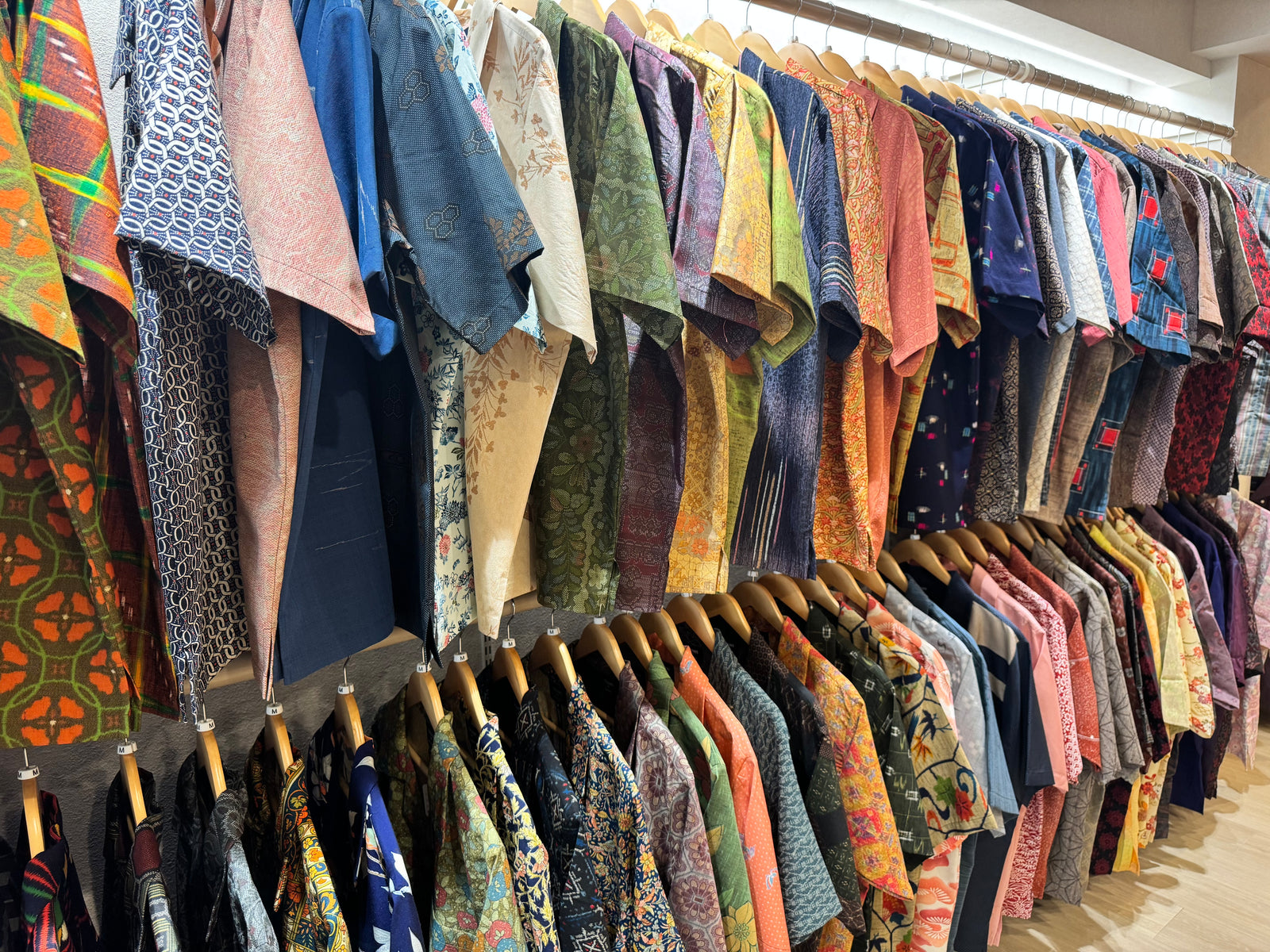
 Aloha shirt
 button-down shirt
 stand collar shirt
 Long-sleeve shirt
 hoodie
 Skirt
Skirt
 Men's
Men's
 Women's
 Unisex
The history of kimono
The history and appeal of kimono, a part of Japanese culture
The history and appeal of kimono, a part of Japanese culture
Kimono, a garment that symbolizes traditional Japanese culture , has been deeply rooted in people's lives since ancient times. In modern times, kimonos are often worn on special occasions and at ceremonies, but their history is incredibly deep and they have developed alongside changes in Japanese aesthetics and lifestyles. In this article, we will look back at the history of the kimono and explain its appeal and value in modern times .
The origin and development of the kimono
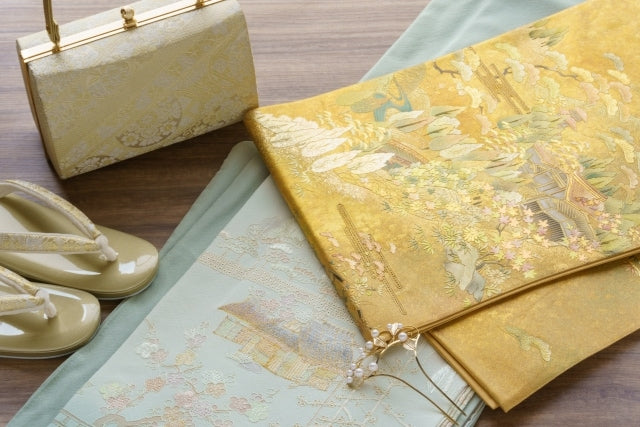
The roots of the kimono date back to the Nara period. Clothing at the time was heavily influenced by China, but Japan made repeated improvements, and by the Heian period, straight-cut clothing, which can be considered the prototype of the kimono, was born . A culture developed among the Heian aristocracy that expressed seasonal feeling and status through the beauty of color and layering , and the kimono became more than just clothing, but a tool for self-expression.
During the Kamakura and Muromachi periods, as samurai society expanded, kimonos began to be designed with ease of movement and functionality in mind. Furthermore, from the Azuchi-Momoyama period through the Edo period, dyeing and weaving techniques made great advances, and colorful and unique kimonos became popular among common people. Kimono from this period were also a symbol of townspeople's culture , and artisans from all over the country competed with each other to show off their skills.
Kimono design and techniques
During the Edo period, advanced techniques such as Yuzen dyeing and tie-dyeing were developed, and kimono designs became increasingly diverse. Kimono patterns depict seasonal flowers and auspicious animals, reflecting the Japanese view of nature and religious beliefs. Many traditional kimono designs that remain today were perfected during this period.
Kimono tailoring and care are also important , and they are often treasured as family heirlooms passed down from generation to generation. The meticulous aesthetic sense of the Japanese is reflected not only in the fabric and pattern of the kimono, but also in the way it is sewn and preserved.

The modern value of kimono
Since the Meiji period, as Western clothing has become more prevalent, opportunities to wear kimonos on a daily basis have decreased, but the culture of wearing kimonos on special occasions such as coming-of-age ceremonies, weddings, tea ceremonies, and flower arranging still lives on.In addition, the charm of kimonos is being rediscovered in various forms today, such as remade kimonos into dresses, accessories, and interior decor .
With the rise in inbound tourism, it is no longer uncommon to see foreign tourists visiting Japan enjoying the experience of wearing a kimono. In tourist destinations such as Kyoto and Asakusa, services that allow you to rent a kimono and enjoy walking around town are popular. Through these efforts, the kimono is also playing an important role as a tool for disseminating Japanese culture .
summary
The history of the kimono is not simply the history of clothing, but can be said to be a mirror that reflects the Japanese aesthetic sense, lifestyle, and technological progress itself . Kimono will continue to increase in value as it blends Japanese tradition with modern sensibilities. We are called upon to rediscover the appeal of kimono and pass on this culture to the future. Aloha kimono is not just a fashion statement, but also embodies the fusion of cultures . We will continue to explore new forms of Japanese culture, putting our heart and soul into each and every piece.